
What Is a Comprehensive Eye Exam?
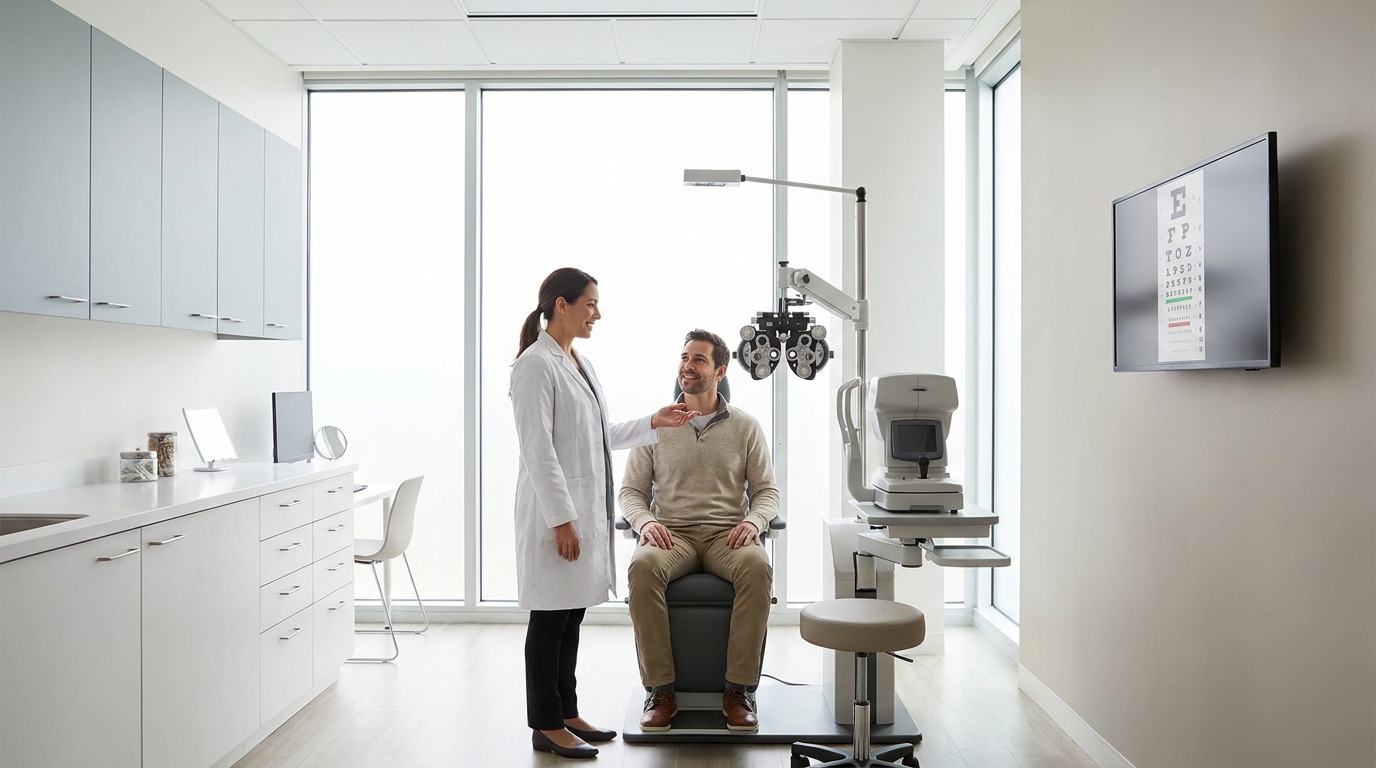
A comprehensive eye exam gives us a detailed picture of your vision and eye health. During your visit, our eye doctors across Kansas and Missouri will assess your vision, determine whether you need prescription eyeglasses or contact lenses, and check your eyes for signs of common eye conditions.
Some eye diseases develop gradually without noticeable symptoms. Regular eye exams help us identify changes early, explain what they mean for your health, and recommend appropriate care.
What Happens During a Comprehensive Eye Exam?
We want you to feel comfortable and informed throughout your appointment. Your eye doctor will begin by discussing your vision, medical history, and any concerns you may have. From there, we'll perform a series of assessments to evaluate your vision and eye health.
Your comprehensive eye exam may include:
- Vision and prescription testing: We measure how clearly you see at different distances and determine whether glasses or contact lenses could improve your vision.
- Eye coordination and focusing: We assess how well your eyes work together and respond when focusing on objects.
- Eye pressure measurement: We may measure the pressure inside your eyes to evaluate your risk of glaucoma.
- Eye health evaluation: We examine the structures of your eyes, including the cornea, lens, retina, and optic nerve, for signs of disease or other concerns.
- Additional testing: Depending on your age, medical history, and examination findings, we may recommend further assessments to better understand your eye health.
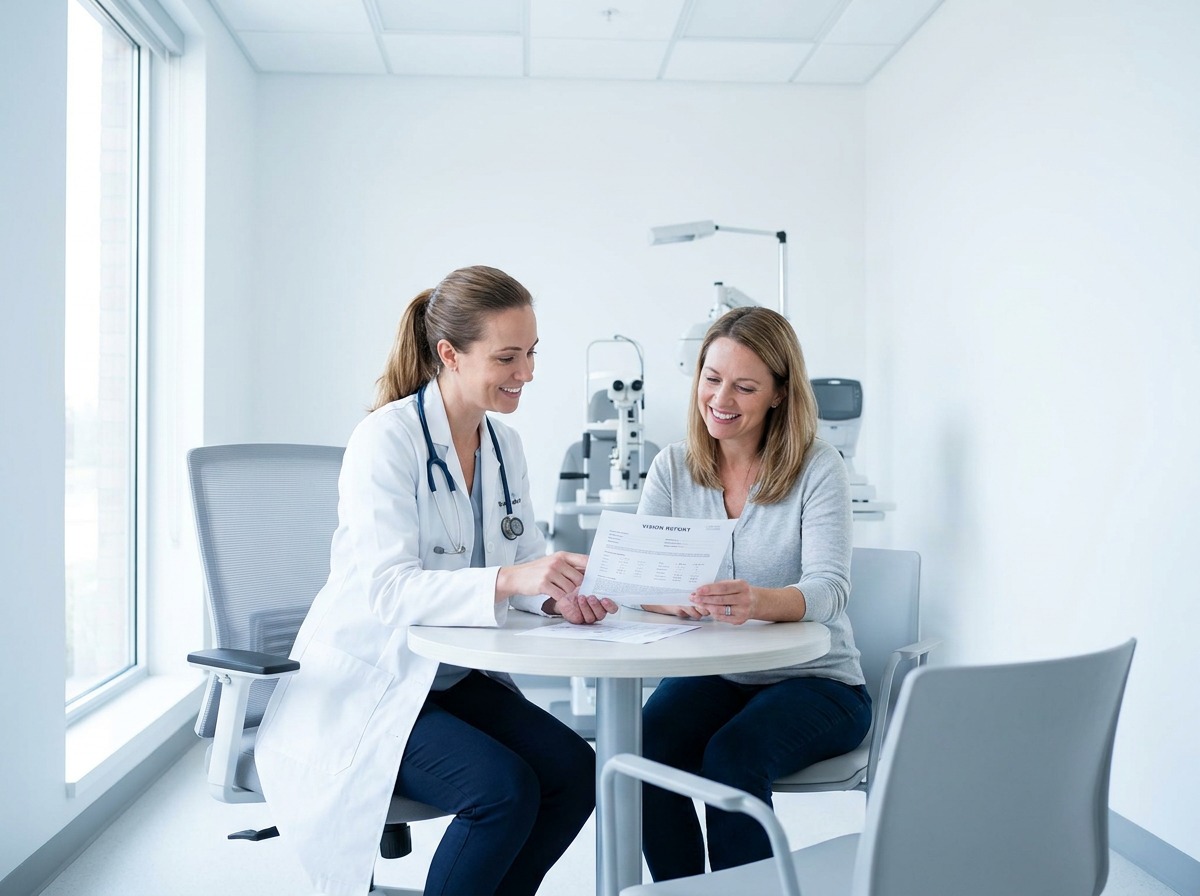
After your examination, we'll explain our findings, answer your questions, and discuss any recommendations.
Eye Exam FAQs
We know you may have questions about your eye exam. Here are answers to some of the questions we hear most often.

How often should I have my eyes examined?
The recommended frequency depends on your age, eye health, medical history, and individual risk factors. Many adults benefit from an eye exam every one to two years, while patients with diabetes, existing eye conditions, or other risk factors may need more frequent visits. We'll recommend an examination schedule based on your needs.
What should I bring to my eye exam appointment?
Please bring your current glasses or contact lenses, a list of medications, and your insurance information. It also helps to make a note of any changes in your vision or questions you'd like to discuss. If you wear contact lenses, bring the details of your current prescription or lens brand when available.
How long does an eye exam typically take?
The length of your appointment depends on the assessments you need and whether additional testing is recommended. Some examinations take longer than others, particularly when your eyes need to be dilated. Contact your preferred Epic Vision Eye Centers location for more information about appointment times.
What should I do if I have an eye emergency?
Sudden vision loss, severe eye pain, or a serious eye injury requires prompt medical attention. Seek emergency medical care immediately for severe symptoms rather than waiting for a routine appointment.
Our offices may accommodate urgent eye care during business hours, depending on provider availability. Please contact your local office for instructions.
Do you provide eye exams for children?
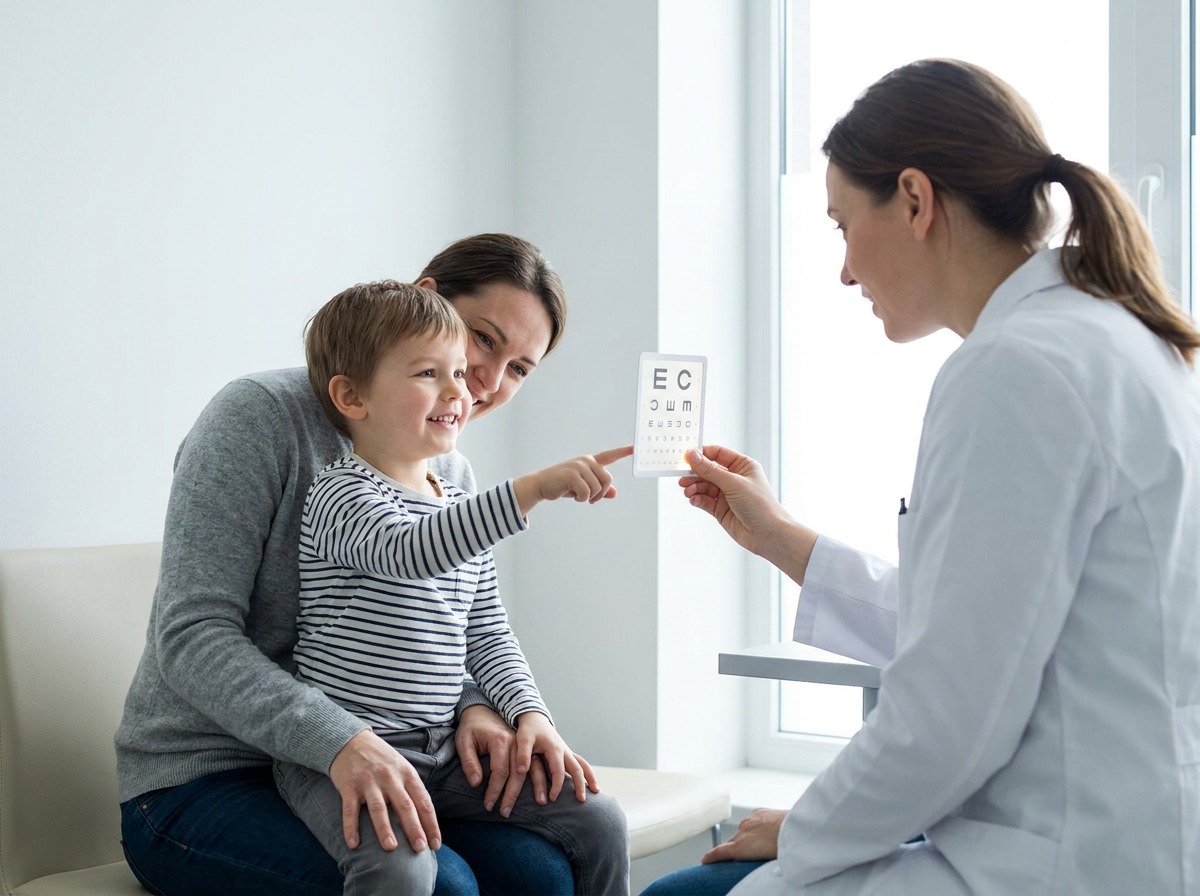
Yes. We provide eye exams for children, generally starting around ages four to five, as well as teenagers and adults. Children's eye exams help us assess their vision, eye coordination, and overall eye health as they grow. We'll recommend appropriate care based on your child's age and individual needs.
