

What is Eye Disease Management?
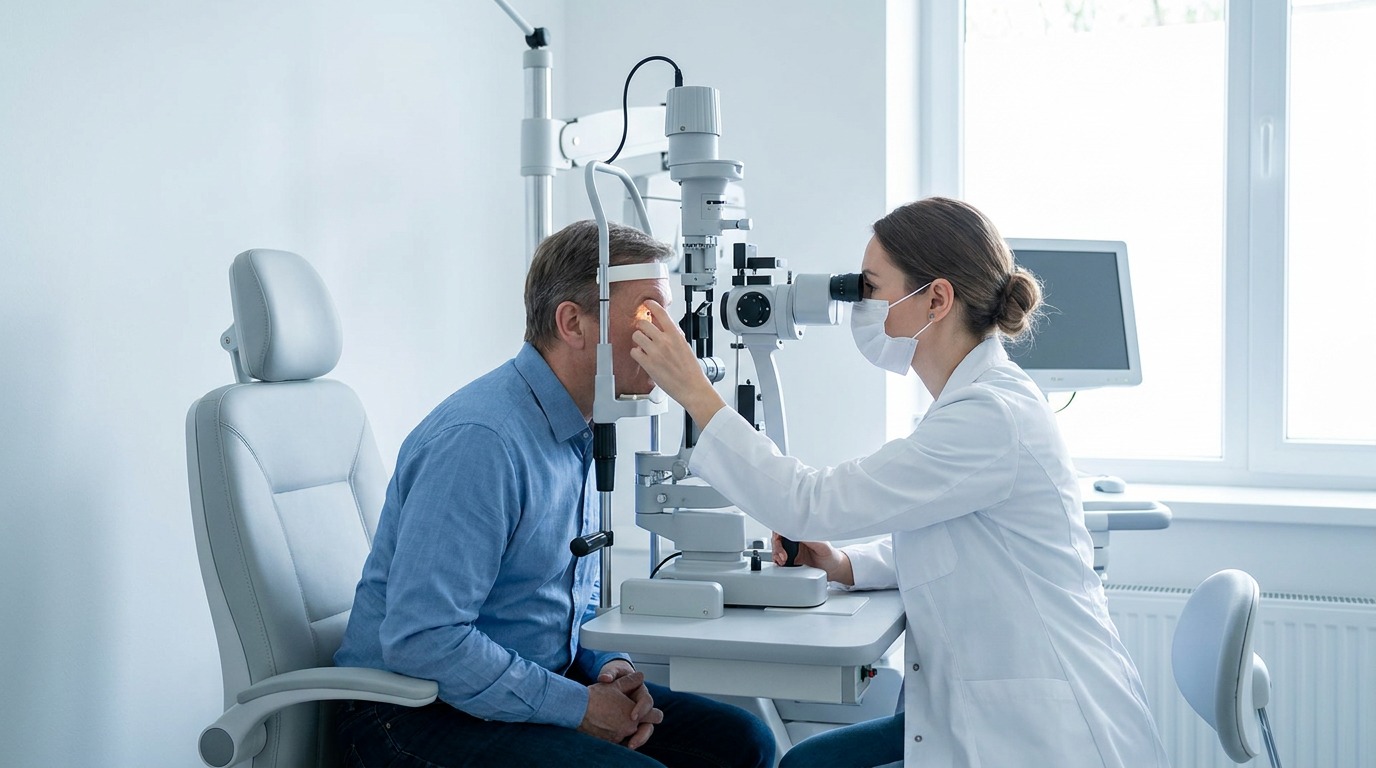
Eye disease management focuses on identifying, treating, and monitoring conditions that can affect your eye health and vision. Some eye diseases develop slowly and show few noticeable symptoms early on. Others may cause discomfort or changes in your eyesight that need prompt attention.
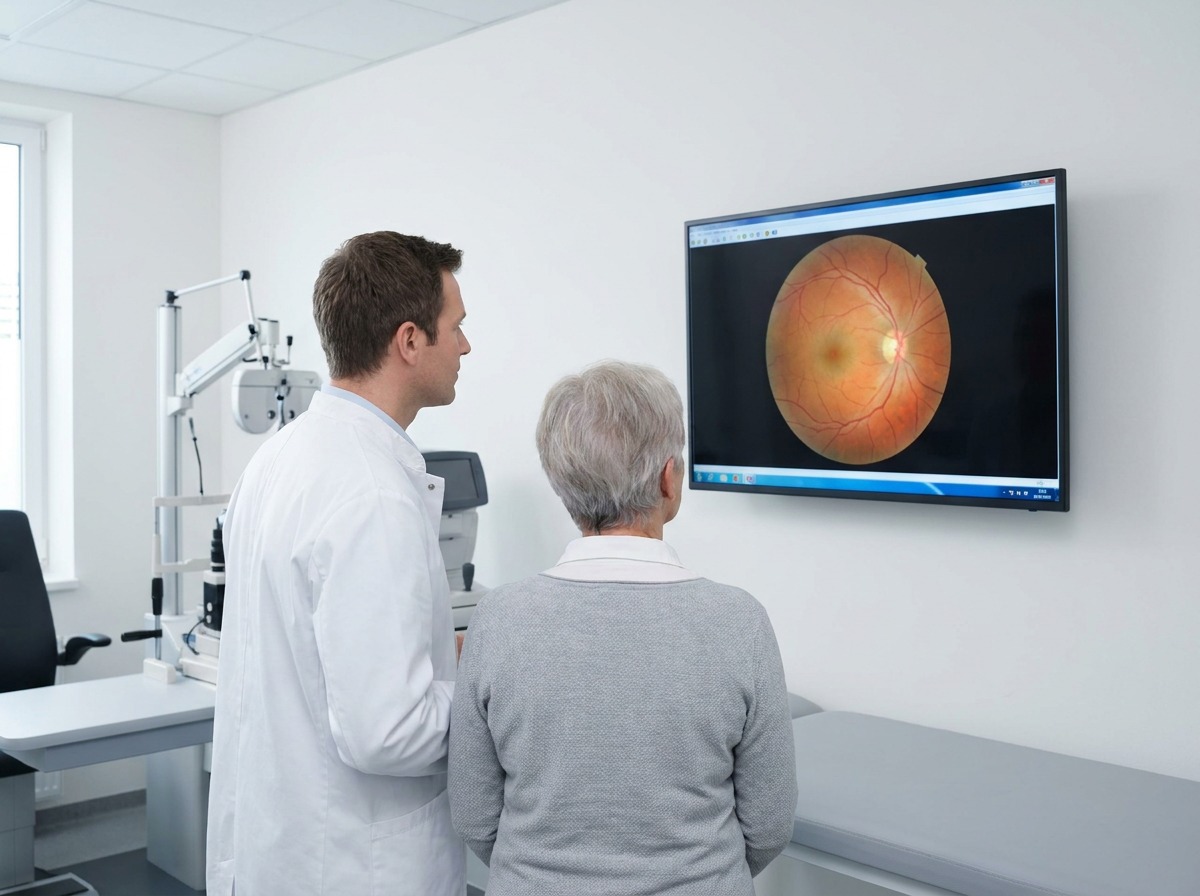
Our eye doctors provide medical eye care for patients across Kansas and Missouri. We evaluate your eye health, explain our findings, and develop treatment or monitoring plans based on your needs. Regular eye exams help us follow changes over time and recommend appropriate care to support your long-term vision.
Eye Conditions We Diagnose and Manage
Our team treats a range of common eye diseases and concerns. We'll work with you to understand your symptoms and determine the most appropriate next steps.
Glaucoma
Glaucoma is a group of eye conditions that damage the optic nerve, which carries visual information from your eyes to your brain. Many forms develop gradually without noticeable symptoms. We provide glaucoma evaluations, monitoring, and management to help reduce the risk of further vision loss.
Diabetic Eye Disease
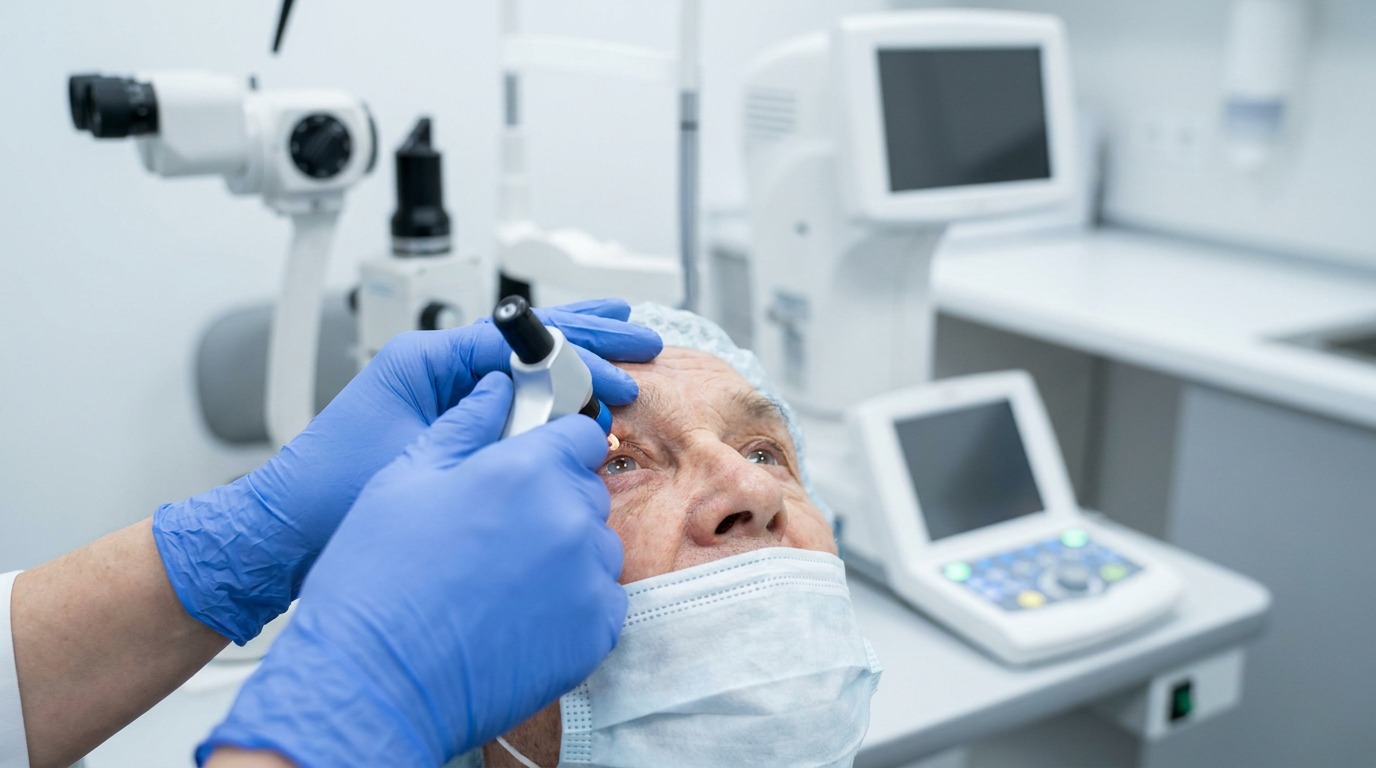
Diabetes can affect the small blood vessels in your retina, the light-sensitive tissue at the back of your eye. These changes may lead to diabetic retinopathy and other complications that can affect your sight. Diabetic eye exams help us identify signs of diabetes-related eye damage and recommend appropriate treatment.
Age-Related Macular Degeneration
Age-related macular degeneration (AMD) affects the macula, the part of your retina responsible for sharp central vision. It can make activities such as reading, driving, and recognizing faces more difficult. We evaluate and monitor AMD and coordinate additional care when needed.
Cataracts
Cataracts develop when the natural lens inside your eye becomes cloudy. They commonly develop with age and may gradually interfere with everyday activities. Our eye doctors evaluate cataracts and, when appropriate, provide cataract surgery co-management.
Dry Eye Disease
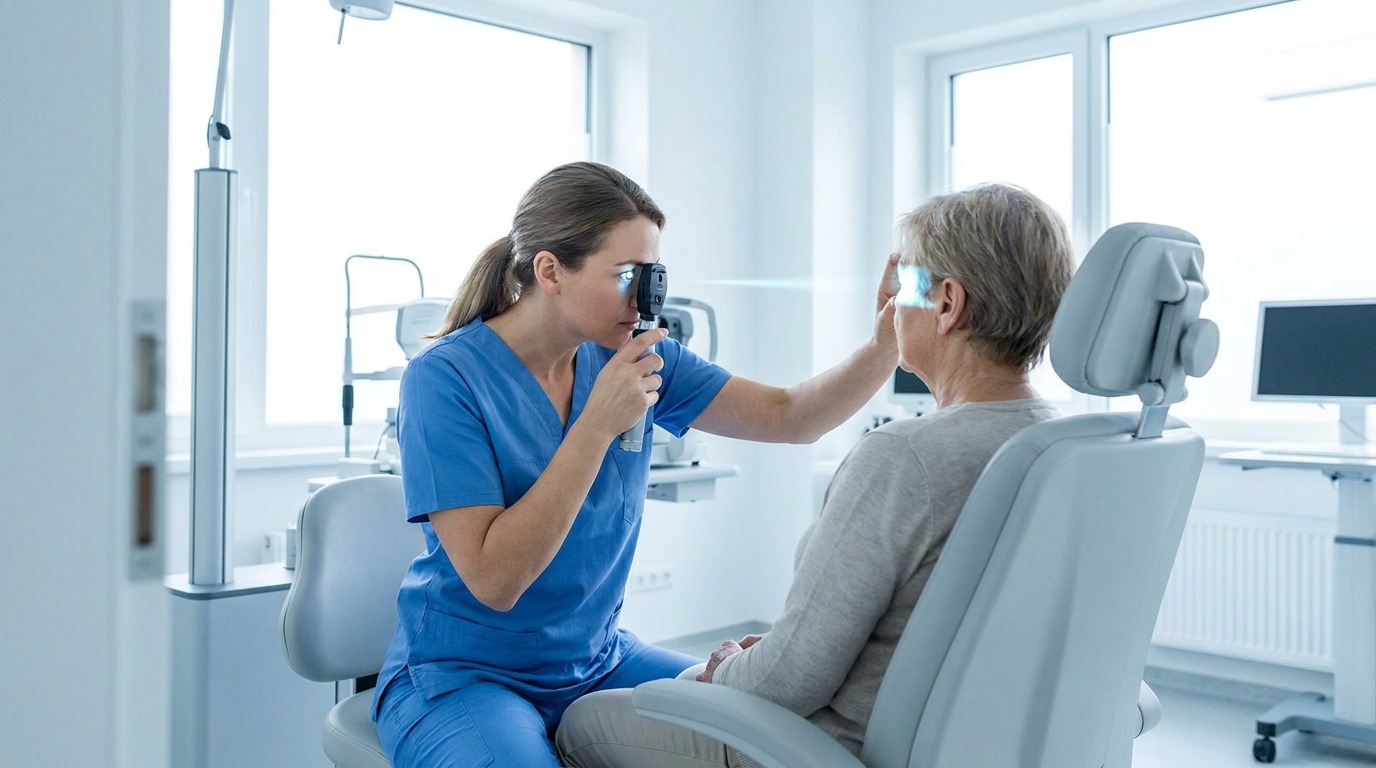
Dry eye occurs when your eyes don't produce enough tears or when your tears don't provide adequate lubrication. You may experience burning, irritation, redness, fluctuating vision, or excessive watering. Clay Center has a dedicated dry eye treatment room, while Smithville, Manhattan, and Washington also offer dry eye care. Treatment options and equipment availability vary by office.
Eye Allergies
Eye allergies can cause itching, redness, watering, and irritation, particularly when you're exposed to pollen, dust, or other allergens. We'll evaluate your symptoms, examine your eyes, and recommend appropriate care to help manage discomfort.
Urgent Eye Care in Kansas and Missouri
Sudden vision changes, eye injuries, and painful eye symptoms may require urgent medical attention. Our eye clinics may accommodate urgent examinations and emergency walk-in visits during business hours, depending on provider availability.
Clay Center and Washington also offer after-hours on-call eye care arrangements. Please contact your preferred office for availability and instructions.
Eye Disease Management FAQs
We know that concerns about your eye health can raise many questions. Here are answers to common questions patients ask about eye disease management.

Can eye diseases develop without symptoms?
Yes. Some eye conditions, including glaucoma and diabetic retinopathy, may develop without noticeable symptoms in their early stages. Regular comprehensive eye exams can detect changes before they affect your vision.
How often should I have an eye exam if I have an eye disease?
The frequency of your examinations depends on your diagnosis, medical history, and how your condition is progressing. Your eye doctor will recommend a schedule based on your individual eye health needs.
Can eye disease be treated?
Many eye conditions can be treated or managed, although treatment depends on the diagnosis and severity. Some conditions respond to medication, while others require ongoing monitoring or referral to a specialist.
What are the signs that I may have an eye disease?
Symptoms vary depending on the condition. You may notice blurred vision, eye discomfort, redness, changes in your night vision, or difficulty focusing. Contact your eye doctor if you notice changes in your vision or eye health.
Do you offer dry eye treatment at every location?
Epic Vision Eye Centers provides dry eye evaluations and medical management, with specific treatment options varying by location. Clay Center has a dedicated dry eye treatment room, and Smithville, Manhattan, and Washington also offer additional dry eye care. Contact your preferred office to learn which treatments are available.
Do you perform cataract surgery?
Our optometrists provide cataract evaluations and co-manage cataract surgery, but don't perform it. If surgery is recommended, we'll help coordinate your care with an ophthalmologist and provide follow-up care as needed.
